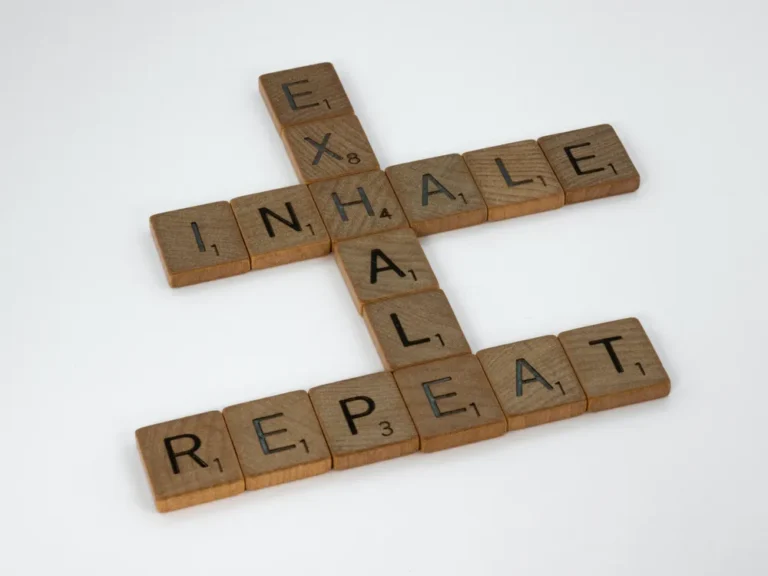
Pain Management and Meditation
Here’s the most important information about pain management and meditation, and how meditation helps in relieving pain:
Most people suffer from constant stress and anxiety, sometimes without any clear reason. Practicing meditation regularly helps eliminate this stress, which is often the root of emotional pain. It also helps restore energy and a love for life.
Meditation is an effective and fast tool that helps individuals overcome psychological trauma from different stages of life. It helps people recognize that such traumas were merely passing phases. Meditation activates brain cells and clears out the negative thoughts and emotional pain caused by past experiences.
-
Reducing Psychological Pressure
Some people face intense psychological pressure that leads to feelings of loss and pain due to an inability to cope. Meditation helps by encouraging individuals to set priorities in life, making it easier to relieve such pressures.
Many people turn to medications to relieve stress-induced headaches, unaware of the negative health effects. Meditation clears the mind, stimulates the brain, and helps eliminate these stress-related headaches without relying on medicine.
High blood pressure often results from difficult life situations or extreme anger. Meditation helps calm individuals and ease their tension and anger, thereby reducing the physical symptoms of high blood pressure.
-
Relieving Symptoms of Irritable Bowel Syndrome (IBS)
Symptoms of IBS often worsen when a person experiences psychological distress. Meditation helps individuals better cope with challenging situations and manage anger, which significantly reduces IBS symptoms.
-
Alleviating Asthma Symptoms
One of meditation’s key benefits is improving breathing. Since asthma primarily affects the respiratory system, individuals with asthma should practice meditation regularly to improve their breathing and reduce the frequency and severity of asthma attacks.