

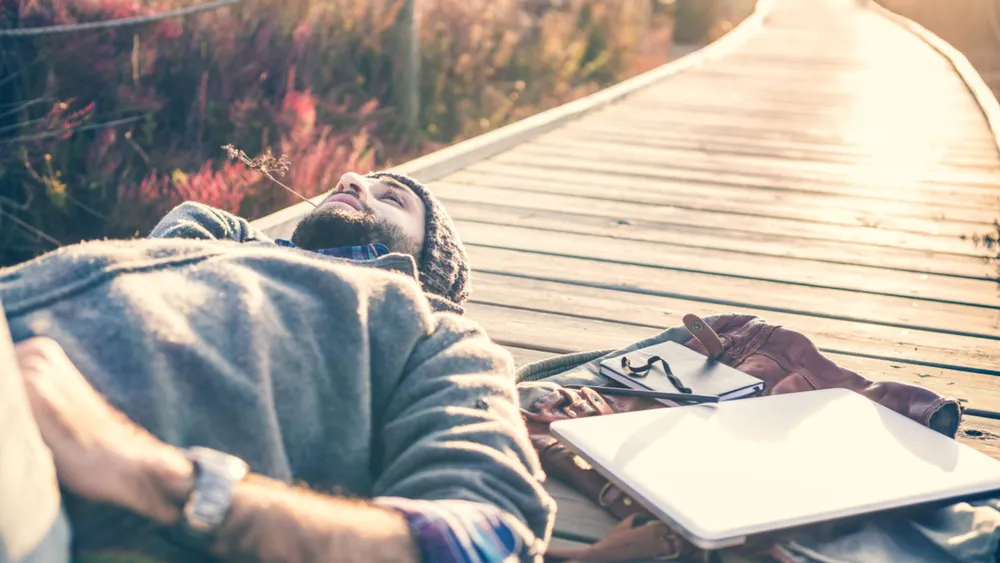
What Are Relaxation Techniques?
Relaxation techniques are a set of methods and practices a person uses to reduce stress affecting the mind and body. These techniques help individuals cope with life’s challenges, promote mental clarity, and bring peace of mind. They also reduce feelings of tension and anxiety, and lessen symptoms associated with various health conditions, such as cancer.
Basic Rules for Practicing Relaxation Techniques
To gain the benefits of relaxation techniques, you must follow a few basic rules:
- Wear loose and comfortable clothing.
- Be in a quiet, noise-free environment.
- Breathe deeply and slowly while practicing relaxation.
- Sit in a comfortable position.
The Best Relaxation Techniques
If you suffer from excessive anxiety, constant stress, or find yourself always thinking about the future while neglecting the present, it’s time to learn the best simple relaxation techniques. These will significantly improve your health and reduce negative emotions. Here are 9 of the best relaxation techniques:
- Meditation: One of the most popular forms of relaxation, used by many to relieve stress, anxiety, and daily pressure. For example, you can sit in a quiet place, close your eyes, and begin releasing negative thoughts and experiences without judgment.
- Yoga: A form of relaxation that combines breathing, meditation, and physical movement. For example, Hatha Yoga involves various physical postures that help energy flow through the body, bringing a sense of vitality and positivity.
- Deep Breathing: This technique focuses on controlling the breath by inhaling deeply to fill the abdomen with air, holding it, and slowly exhaling through the nose.
- Massage: A technique based on feeling and releasing tension from body parts, using self-massage and essential oils known for reducing anxiety and stress.
- Self-Hypnosis: In this method, the body responds to relaxation through verbal or non-verbal cues or suggestions.
- Relaxation with Biofeedback: A technique that helps control bodily functions using feedback from sensors attached to the body. This allows a person to observe changes in heart rate, blood pressure, or muscle tension and respond with relaxation or tension as needed.
- Autogenic Training: A self-relaxation technique that uses visualization and body awareness to reduce anxiety and stress. For instance, you might visualize a peaceful place, focus on slow breathing, and relax each part of your body one by one.
- Progressive Muscle Relaxation: A method that focuses on the contrast between tensing and relaxing muscles. For example, you tense a muscle group for 5 seconds, then release it for 30 seconds, starting from the toes and moving up to the head.
- Visualization: A relaxation technique that involves imagining mental images of places, people, or events while engaging as many senses as possible. For example, visualize the ocean, enjoy the sight of the waves, smell the sand, and feel the sun’s warmth on your body.


