

Colors Reflect Psychological State
Why are colors considered a mirror of ourselves? And what are the effects of each color on the psyche, mind, and body? Despite the abundance of research supporting color science, its concept remains a hot topic in the fields of psychology, art, and design. There are many important discoveries and information that reflect the psychology of color and its impact on human emotions, behaviors, and mood.
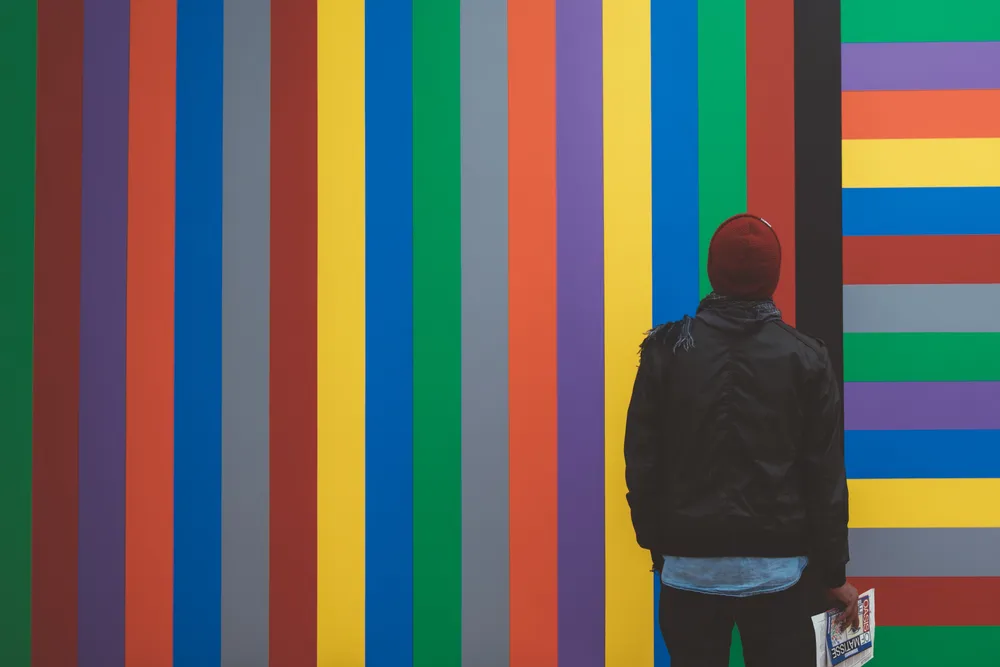
Based on the distribution of the color spectrum, warm colors like red, orange, and yellow are warm colors that express feelings of comfort and love. On the other hand, they also express feelings of anger and aggression. Meanwhile, cool colors like blue, green, and purple represent calmness, beauty, and peace of mind, and conversely, they express feelings of sadness and indifference.
Thus, colors can make a person feel happy or sad, and may also express feelings of anxiety or relaxation. All of these are psychological interactions rooted in cultural temperaments and biological effects. Therefore, colors reflect the psychological state, making it important to understand color theory and its meanings.
Psychology and Colors
Colors reflect the psychological state, as colors can affect emotions depending on brightness, shade, tint, or hue. According to scientists, the psychological reflection of colors is classified as follows:
- White: A symbol of freshness and cleanliness, and a feeling of vitality, liveliness, and modernity.
- Black: Black is a strong color carrying excitement and mystery. It is often associated with mourning, symbolizing sadness and bad omen as well.
- Red: A color that expresses war, danger, and energy. On a different level, it also expresses love, passion, desire, confidence, and activity. It is one of the most attractive colors; it increases the human heart rate and makes one more enthusiastic and passionate.
- Blue: Blue indicates safety, stability, and psychological comfort. When a person sees blue, the body quickly releases calming chemicals.
- Yellow: The color of warmth and hope, joy, and optimism. Yellow is one of the colors that energize and invigorate a person.
- Orange: A color that expresses moderate energy and enthusiasm, attracts attention, and ignites feelings of happiness and vitality.
- Green: The color of freshness, health, and wealth. Green creates feelings of relaxation, balance, and calm.
- Purple: A symbol of mystery, creativity, and wealth. It expresses luxury and sophistication.
- Pink: Represents fun, youth, romance, tenderness, charm, and kindness. It is a blend of meanings between a cheerful spirit and a calm, stable mood.
- Brown: A symbol of stability, heritage, and support. Brown makes a person feel authenticity and a deep connection to the earth.
Colors and the Validity of Their Meanings
Colors reflect a person’s psychological state, and everyone has their own taste and personality. Not everyone necessarily feels joy towards a specific color; some might even feel anger toward the same color.
The meanings of colors are not absolutely agreed upon. Each country has different perceptions and meanings of colors. Climate plays a significant role in the color preference game: people living in hot climates tend to prefer light-colored clothing and belongings, while those in cold climates favor darker colors.
Also, young people generally prefer bright and attractive colors, while with aging, many tend toward muted and balanced colors. However, in general, colors and emotions are closely linked regardless of gender, customs, and traditions.


