

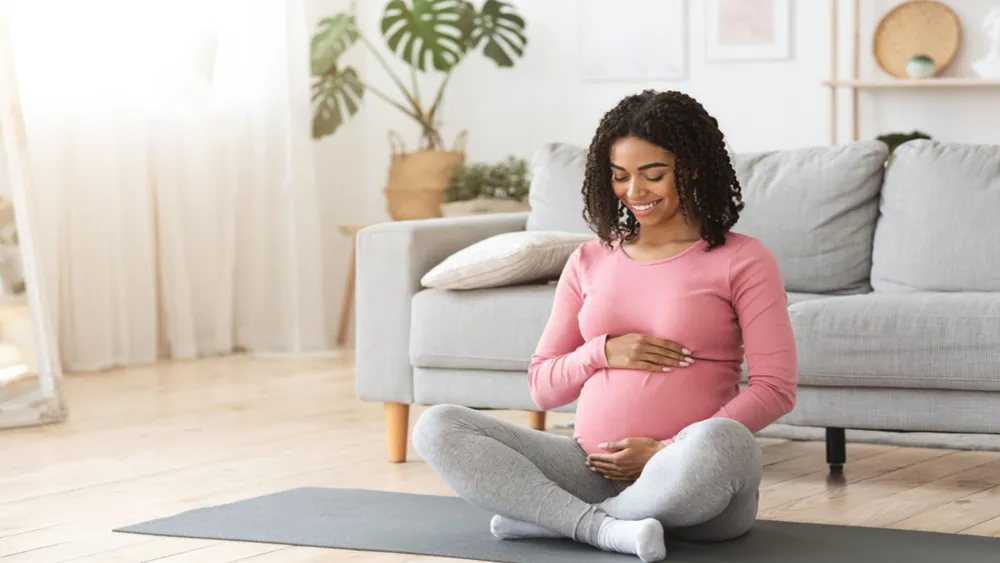
What Is Meditation?
Meditation is a method through which thoughts, beliefs, and emotions are perceived and felt as though they are real. It is a journey to finding inner peace, mental clarity, and purified thinking. It involves focusing on oneself, the body, and positive thoughts in an effort to change reality for the better using various techniques.
Benefits of Meditation During Pregnancy and Childbirth
It is important to practice meditation techniques that benefit your unborn baby and help you build resilience during pregnancy. The benefits of meditation are numerous, including:
- Better sleep quality.
- Connecting with bodily changes throughout pregnancy.
- Reducing anxiety and stress related to pregnancy.
- Preparing for childbirth with positivity and optimism.
- Reducing the risk of postpartum depression.
- Improving the cognitive, emotional, and physical development of the fetus.
- Lowering the risk of postpartum depression.
10 Meditation Techniques to Help Your Unborn Baby
Here are meditation techniques that help your unborn child:
- Deep Belly Meditation: Place your hands gently on your belly and observe the sensations and emotions flowing through. Do you feel warmth? Movement? Breathe slowly and deeply. If your mind wanders, return your focus to your baby. Repeat daily for 5 minutes, gradually increasing the duration each week.
- Walking Meditation: Walking stimulates labor by activating contractions. It acts as a bridge between meditation and pregnancy. Focus on body and baby movement while walking and maintain even, focused breathing.
- Vipassana Meditation: This type of meditation focuses on seeing things as they are. The simplest form is observing your breath as it enters and leaves your body.
- Sound or Mantra Meditation: Repeating a specific phrase such as “My baby is healthy” or “My baby is beautiful” allows it to sink into your subconscious and truly take root in your mind.
- Deep Breathing Meditation: Lie down in a quiet, comfortable place. Spread your feet shoulder-width apart, close your mouth, and inhale slowly through your nose. Observe the air entering your lungs, hold for 3 seconds, then exhale.
- Guided Meditation: Focus on visualizing something calming like the blue sky, ocean waves, or your growing baby. This imagery promotes deep inner peace.
- Third Eye Meditation: Close your eyes and focus on the space between your eyebrows. This area houses the pineal gland, responsible for regulating sleep-wake cycles and producing serotonin, which enhances energy and happiness. This type is especially helpful during labor.
- Progressive Muscle Relaxation: Lie on your back and gradually tense and relax your muscles, starting with your hand, then forearm, shoulder, and so on—first on the right side, then the left.
- Stretching: Gently stretch each part of your body starting from the neck down to the feet, reaching the maximum comfortable range.
- Cobbler’s Pose Yoga: This position eases childbirth and is recommended during the final months of pregnancy. Sit, stretch your legs forward, then bend your knees so the soles touch. Keep your back straight and hold the position for a few seconds. Repeat four times in a row.
Meditation Guidelines During Pregnancy
Follow these guidelines when practicing meditation during pregnancy:
- Practice meditation daily, preferably in the morning.
- Choose a quiet place free from noise with soft lighting and good ventilation.
- Sit comfortably with your spine straight.
- Avoid meditating when you feel tired.


