The Difference Between Meditation and Yoga
People often confuse the concepts of meditation and yoga, as they are closely connected. Meditation goes hand-in-hand with yoga to enhance one’s awareness of both body and mind. When we practice yoga and meditation, we elevate our self-awareness. However, despite their intertwined nature, there is a key difference between meditation and yoga—namely the physical aspect of yoga, which is essentially a form of mindfulness that encourages connection with the present-moment experience.
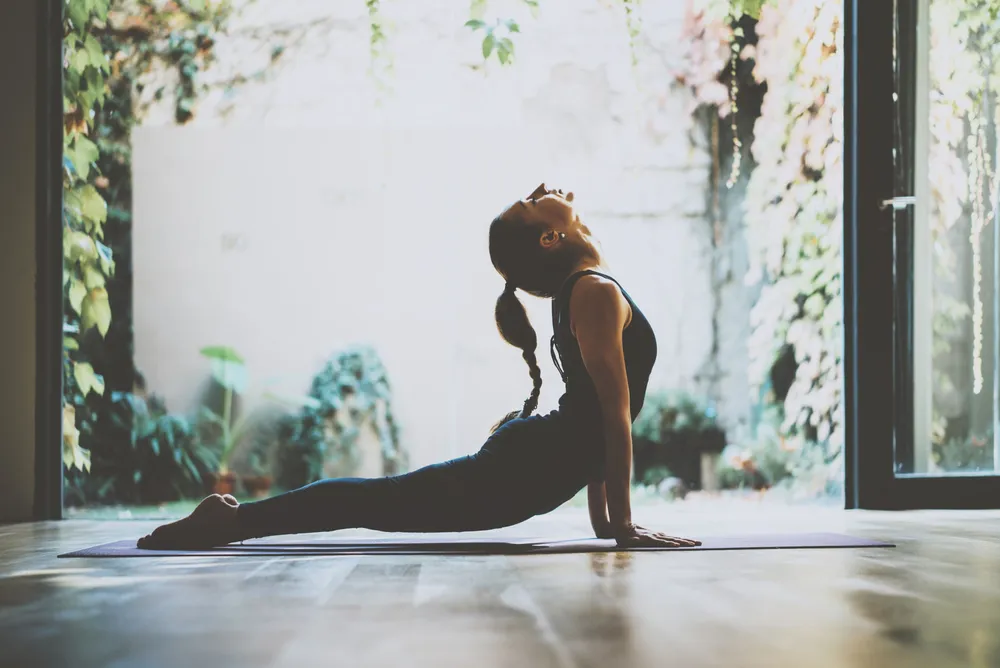
Additionally, the physical component of yoga helps individuals work through pain, muscle tension, and stiffness. Yoga has stages, progressions, and specific steps, unlike meditation, which does not require such structure. In essence, we can say that meditation is a part of the yoga process.
Meditation
We live in a fast-paced world filled with many responsibilities, tasks, and pressures. This often creates a gap between a person’s actions and their thinking process, leading to internal conflict, high stress, and a constant feeling of exhaustion and instability. This is where meditation comes in to restore balance and bring a sense of peace and tranquility.
Unlike yoga, meditation does not involve physical movements or exercises. It is practiced by sitting in a quiet space and directing one’s inner energy toward a specific object, person, sound, breath, or similar focus. Typically, meditation and yoga are practiced consecutively, as the body becomes full of vibrations after yoga, which calls for meditation to achieve a stable physical and mental state.
Yoga
Yoga is considered a way of life that aims to eliminate suffering and obstacles from a person’s life in order to realize the self, achieve the highest spiritual goal, or connect with a higher spiritual being. Yoga requires various practices and pathways to reach the desired outcomes. It helps improve relationships and precisely regulate all body systems and functions—such as the respiratory system, blood circulation, hormones, digestion, excretion, and more. Yoga also helps achieve peace of mind, emotional balance, and psychological stability.
Sometimes, yoga is promoted as merely a physical practice involving stretching exercises, but this is a misconception. Yoga is far more comprehensive—it’s a lifestyle. That said, it does contribute to enhancing physical fitness, strengthening the immune system, and significantly boosting energy levels. It has also quickly become a popular method for effective weight loss and reducing daily stress. People all over the world now practice various types of yoga.