Meditation Without Thoughts: Is It Possible?
If this is your first time practicing meditation, you will try hard to fight all the thoughts running through your mind in order to succeed in meditating, but should you really do that?
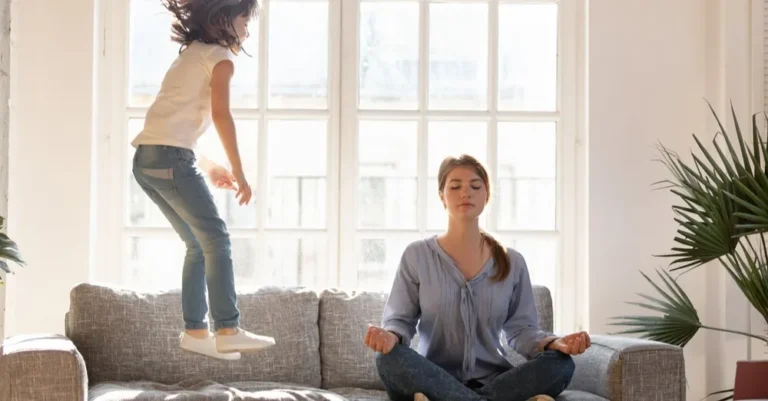
“Monkey mind” is the term used to describe the human brain that works all the time, filled with all kinds of thoughts at every moment.
Attempting to discipline the brain to reduce the thoughts that occur during meditation is what we aim to achieve through meditation without thoughts.
In the early stages, it is difficult to control the brain and manage all the thoughts that may arise. Unfortunately, if you put too much pressure on yourself to do so, you may find your mind drowning in even more thoughts.
So, what is the solution to practicing meditation without thoughts? The answer is simple: learn it step-by-step, consistently and regularly, and try to ignore all those thoughts.
Meditation Without Thoughts: Steps to Help You Achieve It
As mentioned, it is important to start by taking small, gradual steps. Here are the most important ones:
- Sit on the floor and close your eyes.
- Start by focusing on your breathing—this means paying attention to the process by taking a deep inhale through your nose, then exhaling through your nose.
- Try counting your breaths to distract your mind from thinking about anything else. If you notice yourself thinking about something else, start the count again.
- Repeat meditation daily, starting with a short duration and increasing it over time.
One of the most important things that will help you succeed in meditating without thoughts is not giving up or feeling discouraged—this practice requires effort, time, and persistence.
Over time, you will begin to notice when your mind starts wandering to other matters, and you will try to eliminate these thoughts by refocusing on your breathing.
What Is the Importance of Meditation Without Thoughts?
After learning the steps to achieve meditation without thoughts, you may wonder: what is its importance?
In general, the human brain only rests when sleeping—and even then, you may experience dreams and nightmares, which indicate that the brain is still active with continuous thoughts.
Therefore, the value and benefit of meditation without thoughts lies in giving the brain rest, helping you develop the ability to achieve mental calm without the need for sleep.
Succeeding in this has a positive effect on your mental health, as you will notice that your stress and anxiety levels decrease, and you will feel that the pressure accumulated during the day is also reduced.
Come on—don’t give up, and try again every day.