Social Media Platforms and Their Impact on Mental Health – Positive Aspects
The primary role of social media platforms is to connect and communicate with others and to meet friends from various cultures and countries. Since human beings are inherently social and dislike loneliness, these platforms enhance feelings of happiness and joy through the company of others.
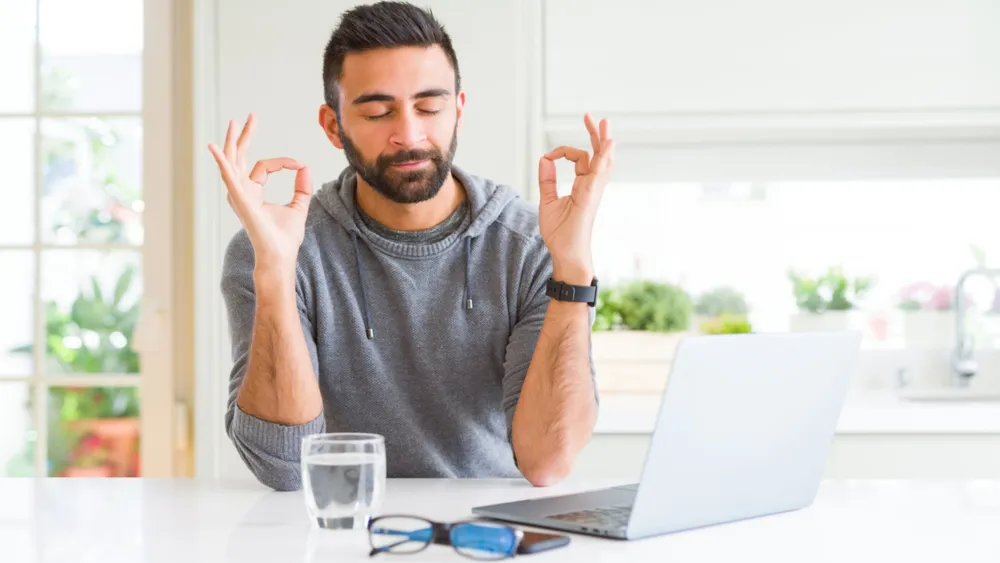
There are many social media accounts that share motivational videos, which are beneficial for mental well-being from time to time. These platforms also provide easy access to psychologists and self-development experts, which has a significant impact on emotional health and renewing one’s psychological state whenever needed.
The positive impact of social media platforms on mental health appears in different forms, including:
- An opportunity to express opinions and thoughts at any time.
- Sharing interests and ambitions with friends anywhere in the world.
Social Media Platforms and Their Impact on Mental Health – Negative Aspects
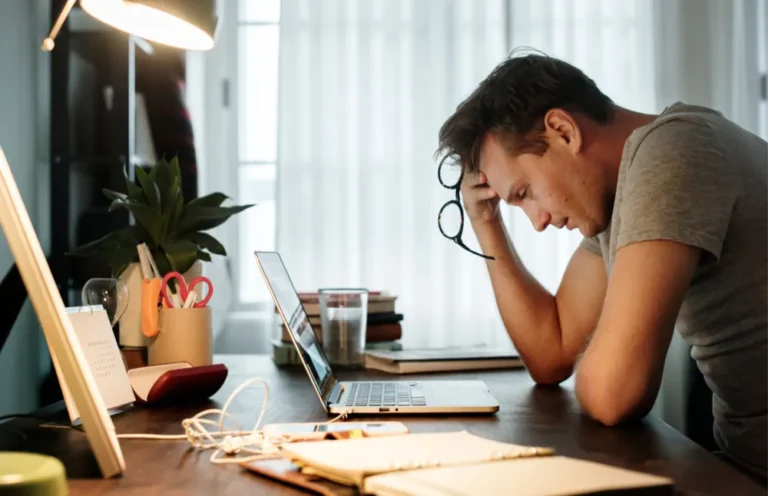
The negative impact of social media on mental health can be significant and dangerous. It can affect a wide range of people—from children to youth and the elderly—especially in the absence of self-monitoring or parental supervision. Below are the most notable negative effects:
-
Lack of Satisfaction and Self-Confidence
Social media showcases many influencers and celebrities who only highlight the positive and happy sides of their lives. This can lead followers to feel dissatisfied with their own lives, become resentful of themselves, their families, and their environment, and begin to doubt their ability to earn money or live happily. Naturally, this negatively affects their mental health and emotional stability due to the idealized images others present.
-
Feeling Isolated
As previously mentioned, human beings are inherently social and enjoy sharing their joys and sorrows. However, excessive and unregulated use of social media can lead to emotional discomfort. It’s healthy to spend time alone for relaxation and meditation, away from the noise of social media.
-
Depression and Anxiety Disorders
Many people suffer from an obsession with online interaction—posting, commenting, and sharing—which causes them to neglect real-life relationships. This behavior can increase anxiety, mood swings, and lead to mental health issues such as depression.
-
Cyberbullying
One of the most dangerous effects of social media on mental health is that it creates a space conducive to cyberbullying, where many teenagers and young adults bully others easily from behind a screen. They spread false rumors or insult others in damaging ways, leaving unjustified psychological scars.
-
Escaping Psychological Problems
Social media platforms have become a way to escape from facing and solving psychological issues. Spending long hours on a phone often worsens the problem. Additionally, some people use social media as a protective shield to avoid interacting with others during social events, preferring to hide behind the screen instead of facing people in real life.