Symptoms of Aging Anxiety
Who among us doesn’t wish to retain the energy and vitality of youth? But life passes through various stages—childhood, adolescence, the vigor of youth, then maturity, and finally old age. Each stage has its own beauty and unique characteristics that enrich one’s life experience. However, when aging becomes a source of anxiety and distress, it’s important to stop and learn how to manage it properly.
There are both physical and psychological symptoms of aging anxiety, including:
- Increased heart rate.
- Chills and excessive sweating.
- Shortness of breath.
- Excessive irritability.
- Overuse of medications or cosmetic products to hide signs of aging on the face or body.
- Social withdrawal; avoiding people or activities that trigger thoughts about aging.
- Preferring friendships with younger individuals.
Causes of Aging Anxiety
There are many reasons people feel anxious about aging, but the most important and prominent is the individual’s mindset. Certain thoughts can fuel intense fear of aging and losing youth, and the person may struggle to manage, change, or improve those thoughts in a way that brings them comfort and peace.
Other causes of aging anxiety include:
- Negative societal or media messages about aging: Some offensive or demeaning comments toward the elderly—especially online—suggest they are less energetic or capable. These unfiltered, insensitive messages can deeply affect those already worried about growing older.
- Set retirement age: Laws enforcing retirement can make people fearful of reaching the age where they’re no longer “productive,” leading to psychological stress and feelings of worthlessness.
- Personal experiences: Aging anxiety may stem from past experiences involving older family members or friends, especially if those experiences were negative, reinforcing fears about old age.
Tips for Managing Aging Anxiety
Here are some key tips for dealing with anxiety about aging:
- Enjoy the present moment to overcome worries about aging and the future.
- Avoid constantly checking your face in the mirror for signs of aging.
- Find role models—look for people who are aging gracefully and positively.
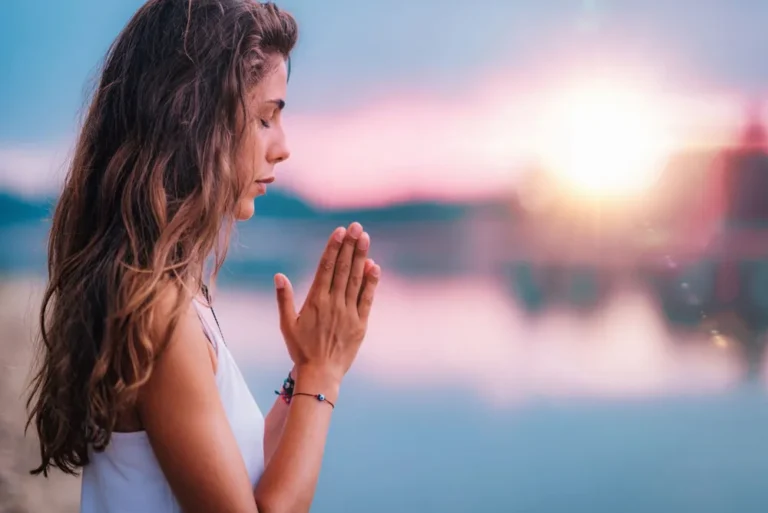
- Practice meditation daily and consistently—it helps you stay grounded in the present moment, brings a sense of peace, and reduces anxiety and stress.
- Change your perspective—aging doesn’t mean your health will deteriorate or your work will decline. In fact, you may continue contributing with more experience and stronger determination.
- Consider aging a gift and a privilege. Reaching this age with strength and wisdom is a blessing that should be embraced through love, peace, and purposeful living.