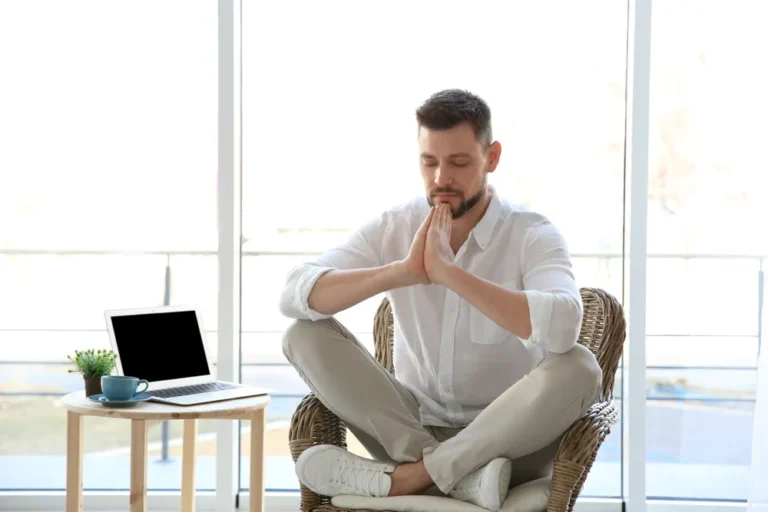
What Is Stress?
Stress or tension is a health condition a person experiences when feeling pain and psychological pressure. It appears as a reaction caused by various changes that require response or adaptation. A person reacts emotionally, physically, mentally, or psychologically. Stress can be positive, serving as a motivator for task completion, adapting to change, and encouraging creative thinking. It can also be negative, becoming a deterrent—especially when life pressures accumulate—leading to breakdowns.
Causes of Stress
There are many causes of stress, including:
- Various external factors due to changes at work, school, family, or social relationships.
- Internal factors such as persistent pessimism, lack of self-confidence, constant negative self-talk, being affected by societal judgment, and emotional stagnation.
- Teenage stress related to various physical and hormonal changes.
- Illness, separation, or the death of a loved one.
- Positive events such as success, marriage, receiving good news, or getting a reward—any positive life event.
- Major life changes that deeply affect the individual.
- Various life pressures, lack of free time, and constant busyness.
- Financial pressures.
Symptoms of Stress
Stress symptoms vary whether it’s positive or negative, including:
- Headaches.
- General fatigue and exhaustion.
- Muscle tension.
- Insomnia and difficulty sleeping.
- Confusion and disorientation.
- Excessive sweating.
- A lump-in-throat sensation.
- Lack of concentration.
- Impatience.
- Shortness of breath.
- Physical pain, such as stomachaches.
Complications of Stress
Stress is not necessarily a cause for concern, as its complications often subside over time. However, in some cases, anxiety persists and becomes chronic psychological fatigue that recurs daily, causing different complications, such as:
- Menstrual cycle disorders.
- Digestive system disorders.
- Hair and skin problems.
- Obesity or extreme thinness.
- Cardiovascular diseases.
Treatment of Stress
Stress can be treated using simple methods, with meditation reigning supreme due to its strong impact on improving overall health, treating depression, and enhancing mood. It reduces the stress hormone cortisol over time and stimulates the production of endorphins, which are natural pain relievers. In addition, the following methods help:
- Taking omega-3 fatty acid supplements.
- Drinking green tea, rich in antioxidants like polyphenols, which lower stress and anxiety by increasing serotonin secretion.
- Inhaling pleasant scents like incense and orange extracts that improve mood.
- Chewing gum, which boosts blood flow to the brain and activates circulation.
- Spending time with family, friends, or children—enjoying time with loved ones enhances the secretion of oxytocin, a natural hormone that fights pain, stress, and fatigue.
- Laughing and having fun to increase oxygen flow and improve mood, which directly combats anxiety and stress.