The Importance of Mental Relaxation
Practicing mental relaxation offers many physical and psychological benefits, most notably achieving relaxation, peace, and emotional calm. It helps you respond to situations with serenity rather than anger or aggression, activating your body’s natural relaxation response and fostering an impressive sense of physical and mental balance.
You can practice relaxation on your own or with the help of meditation apps—one of the most effective is the Tawazon app, which promotes consistent practice to provide emotional support in coping with anxiety, stress, and pressure. I highly recommend downloading it and enjoying deep relaxation and ease.
How to Practice Mental Relaxation
Mental relaxation is closely tied to practicing meditation in its various forms. It enhances self-awareness and helps you consciously overcome negative thoughts, replacing them with more positive and constructive ones—leading to a healthier mental lifestyle. Meditation is a powerful mental exercise that eases fear, pain, and helps discharge the negative energy built up by daily events and challenges.
There are many mental relaxation techniques. Here are some of the most effective:
-
Deep Breathing Exercises
Practicing deep breathing is essential in meditation and is a quick, practical way to reach a calm mental state. It reduces stress and anxiety by lowering your heart rate and improving breathing efficiency.
Here’s a simple breathing routine:
- Sit upright in a quiet space and place one hand on your chest and the other on your abdomen.
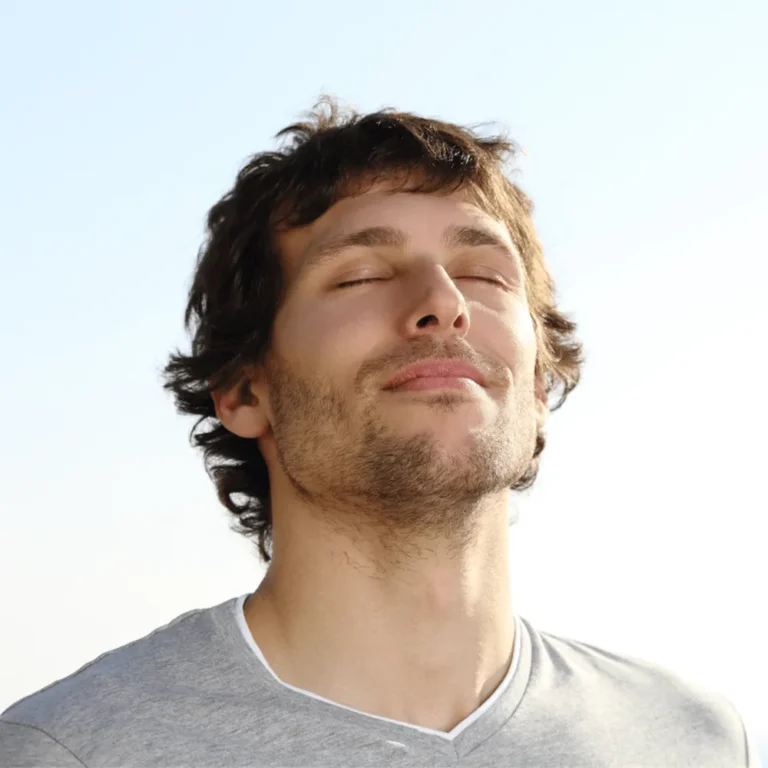
- Close your eyes and take a deep breath in through your nose for 6 seconds. Observe your hands’ movement.
- Hold your breath for 5 seconds and focus on your body, your calm mind, and your thoughts.
- Exhale slowly through your mouth for 4 seconds. Repeat the cycle, deepening your focus and relaxation each time.
-
Body Scan Meditation
Body scan meditation, such as progressive muscle relaxation, is key to achieving both mental and physical relaxation. Wondering how to do it properly?
Lie on your back with your arms at your sides and your legs extended. Begin with two minutes of deep breathing to ease into relaxation.
Then, shift your attention to different parts of your body—feel every sensation, whether positive or negative. Start with your feet, then move up through your legs, abdomen, back, and so on until you reach the top of your head. Enjoy the mental clarity and peace this practice provides.
-
Guided Imagery
Guided imagery involves visualizing a place you love or feel safe in. Engage all your senses—imagine what you see, hear, and smell—as if you’re actually there. This creates a calming mental image and gradually dissolves anxiety and fear.