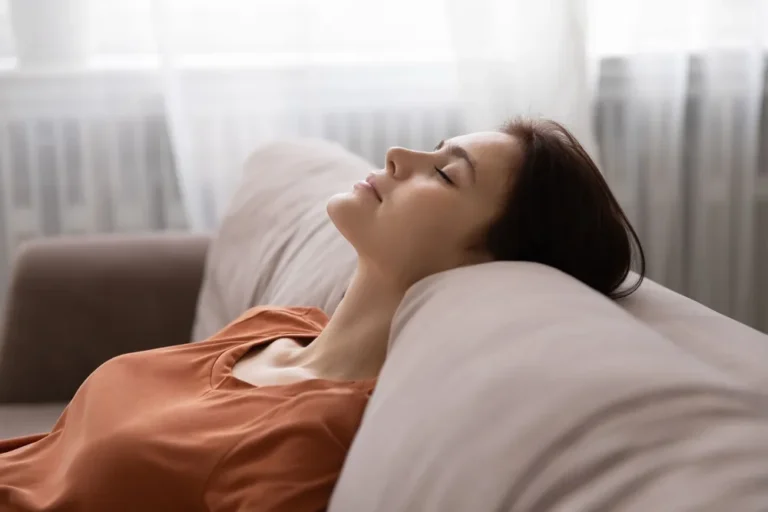
What is Psychological Anxiety?
This type of anxiety is defined as a feeling of continuous tension, discomfort, and disturbing fear. This unpleasant feeling leads to the domination of negative thoughts over individuals. Anxiety is often accompanied by many psychological and health problems, and severe, persistent anxiety can lead to greater issues such as depression.
Symptoms of Psychological Anxiety
Individuals suffering from psychological anxiety experience many observable symptoms. Here are the most prominent:
Psychological Symptoms
- Continuous fear of various important and unimportant matters.
- Difficulty thinking or concentrating on different life matters.
- Difficulty achieving deep sleep and facing constant insomnia.
- Feeling constantly irritable and quick to anger.
Physical Symptoms
- Increased heart rate.
- Rapid breathing.
- Excessive sweating.
- Continuous trembling without cause.
- Suffering from digestive system issues.
- Persistent muscle pain.
- Continuous headaches and stomach aches.
Causes of Psychological Anxiety
There are many diverse causes that expose people to psychological anxiety. Here are the most prominent:
1- Health Problems
Anxiety is often linked to various health issues. Psychological anxiety may be a symptom of a certain disease or an early indicator. Examples include heart diseases, diabetes, thyroid problems, respiratory issues, and irritable bowel syndrome.
2- Traumas
Most individuals experience different traumas in their lives, which can negatively impact mental health. One of the main problems resulting from these traumas is psychological anxiety. Traumas during childhood can be a cause of anxiety in adulthood.
3- Accumulated Stress
Exerting great effort can lead to psychological anxiety. This effort may result from various sources, such as facing difficult situations like the death of a relative or friend, continuous work pressures, or mental strain from daily problems like financial or family issues.
4- Genetics
Psychological anxiety may stem from genetic factors. If there are relatives suffering from anxiety, the likelihood of an individual developing it increases.
5- Personality
Certain personality types are more prone to anxiety than others. For example, a person who is quick to anger is more susceptible to anxiety than one who is not easily angered. Additionally, alcohol or drug use can lead to anxiety.
Effective Ways to Treat Psychological Anxiety
There are several methods individuals can follow to overcome psychological anxiety. Here are the most prominent:
1- Practicing Physical Exercise
Exercise helps maintain body activity, improves mood, and reduces pressure and stress in individuals.
2- Quitting Smoking and Caffeine
Avoiding smoking, alcohol, and caffeine-containing drinks like coffee helps reduce anxiety. Consuming large amounts of caffeine increases tension, anxiety, and restlessness.
3- Deep Sleep
Deep sleep helps relieve anxiety and tension. Those suffering from anxiety should ensure adequate sleep and rest, as lack of sleep increases anxiety and reduces comfort.
4- Following a Healthy Diet
People with anxiety should eat healthy foods that reduce anxiety, such as vegetables, fruits, and fish.
5- Practicing Meditation
Regular meditation helps relieve psychological stress and improves mental health, allowing individuals to reach inner peace, comfort, reassurance, and freedom from fear.