The Impact of Pre-Sleep Meditation on Children’s Health
Pre-sleep meditation has many benefits for children’s health, which can be summarized as follows:
- Enhancing self-control
- Improving concentration while at school
- Promoting feelings of respect and compassion towards others
- Helping control symptoms of Attention Deficit Hyperactivity Disorder (ADHD)
- Reducing stress, as children also experience tension during their day
- Facilitating sleep and helping them achieve high-quality rest
How to Practice Pre-Sleep Meditation
After learning about the benefits of pre-sleep meditation for children’s health, you might wonder about the best way to help your child practice it. Here are some steps that can help you:
1- Talk to the Child
The first step in teaching a child how to meditate before sleep is to talk to them about meditation in general, using simple words they can understand.
Ask your child about the thoughts and feelings in their mind. Let them share everything on their mind, then explain that pre-sleep meditation helps clear these thoughts so they can sleep easily.
2- Practice Pre-Sleep Meditation Together
You are your child’s role model, so what you do reflects what they will do. Practice pre-sleep meditation with them.
Sit with them in bed and meditate before sleep. At first, your child may simply watch you, but over time and with repetition, they will imitate you and begin practicing it more smoothly and easily.
3- Sit in Bed
Make sure your child finishes all bedtime routines first, such as washing their face, brushing their teeth, and using the bathroom.
It’s essential for the child to feel comfortable before starting pre-sleep meditation.
Once they’re ready, sit or lie down together in bed, explain the process, and tell them it will only last for five minutes.
4- Set the Time
Try to encourage your child to practice pre-sleep meditation every night at around the same time.
Explain that it will take no more than five minutes, and set a timer on your phone so they know when it’s over.
5- Ask Them to Close Their Eyes
Once your child is lying down and the timer is set, ask them to close their eyes and do the same yourself.
In the beginning, you may notice your child occasionally opening their eyes to check on you, which is normal as they need reassurance. With time, they will keep their eyes closed for the full five minutes.
6- Time to Breathe
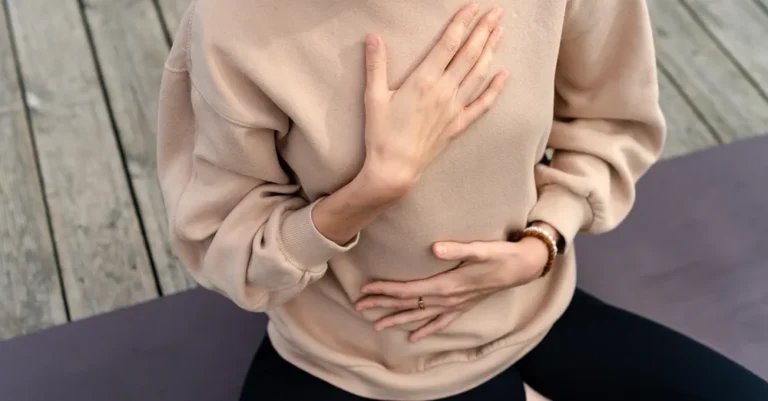
Ask your child to follow this breathing pattern: inhale deeply through the nose, exhale fully through the mouth.
Repeat this together for five minutes, until the timer signals the end.
To help them focus, ask them to count their breaths. This keeps their attention on the exercise and away from distracting thoughts.
Remember, practicing pre-sleep meditation can help your child fall asleep quickly. Sometimes they may drift off during the exercise—let them sleep and never wake them up.