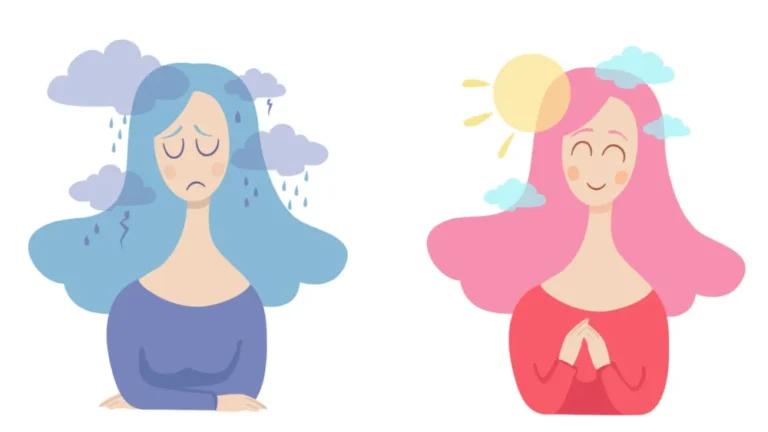
How to Deal with Problems
There are several steps a person can follow to deal with problems. Below are the most important ones:
-
Identifying the Problem
One must identify the nature of the problem they are facing and acknowledge its presence, realizing that it needs immediate resolution for a happier, problem-free life. This step is the foundation of any problem-solving process.
-
Identifying the Causes
Determining the underlying causes of a problem is an essential step. Understanding these causes helps in reaching effective solutions that address the root issues in the most efficient way.
-
Searching for Solutions
One should exert serious effort to find practical solutions. It’s recommended to consult various sources—particularly those with deep expertise on the matter. Individuals can also benefit from the experiences of people around them to select the most effective approaches.
-
Choosing the Most Suitable Solution
After gathering many possible solutions, it’s important to identify the one that yields the best results and positively influences one’s decisions. This requires patience and careful evaluation before choosing the best course of action.
-
Proper Implementation
To ensure success, a person must create a well-structured plan for applying the chosen solution in real life. The outcome heavily depends on the accurate execution of this plan, as even a small error can jeopardize the entire solution.
The Impact of Problems on People’s Lives
Life problems can have various negative effects on individuals. Below are the most significant ones:
- Chronic problems may cause brain cell damage due to excessive and constant mental stress and overthinking.
- Problems reduce one’s ability to concentrate, leading to decreased productivity and noticeable declines in performance.
- Problems can lead to intense psychological anxiety and constant stress as individuals overthink and dwell on life’s challenges.
- Persistent problems may cause insomnia due to late-night worry. This results in disrupted sleep and a severe inability to rest adequately.
- A person becomes more irritable, angry, and reactive over minor issues due to ongoing anxiety.
- Excessive problems can lead to chronic depression, which may escalate into severe stages and even drive a person toward suicidal thoughts.
- Some individuals, overwhelmed by their problems, may resort to unhealthy and illegal coping mechanisms such as alcohol, drug abuse, or dependence on sedatives and antidepressants.